
Pronatec is one of Brazil’s most practical pathways for people who want job-ready skills without jumping straight into a long degree. Pronatec technical and education job training is designed to connect training offers to real workforce needs, using partner institutions across the country.
Pronatec technical and education job training can also help you compete for entry-level roles by giving you a recognized certificate and structured learning hours.
If you want to apply for jobs with more confidence, understanding how Pronatec works and how to enroll is a smart first move.
Pronatec In Brazil: What The Program Offers In Practice
Pronatec is a national effort built with federal, state, and municipal participation, plus voluntary partner institutions that deliver the actual training.
You are not applying for a single school, since offers can appear in different cities and providers depending on the current cycle.

The program is structured to publish available courses and openings through official platforms, so you can find what exists near you. Your best results come from treating Pronatec like a job plan, not a random course search.
Program Purpose And Workforce Goal
Pronatec focuses on expanding access to professional and technical education that improves employability and workforce readiness.
For job seekers, that matters because many employers want proof that you can follow procedures, learn tools, and complete training. A Pronatec certificate can signal reliability, especially when you lack formal experience in a new field.
The program also supports offers aligned with practical work outcomes, helping you choose training with a clearer career direction.
Training Modalities And What They Mean For Your Job Search
In Pronatec, many free offers are delivered through Bolsa Formação, which supports both technical courses and professional qualification courses.
The official guidance explains that qualification courses have a minimum workload of 160 hours, while technical courses can be integrated with high school, taken concurrently, or completed after high school.
For your job search, shorter qualification courses can help you pivot faster, while technical tracks may support more specialized roles. The right option depends on your timeline and the roles you want to target.
Technology And Office Careers Supported By Training Tracks
If you want stable hiring demand across many cities, technology and office roles are often a strong place to focus.

Pronatec training in these areas tends to build skills that employers can quickly evaluate, like basic systems use, customer handling, and process discipline.
You should pick a training track that produces resume-friendly outcomes, such as a clear role title and measurable skills. When you choose well, you can apply for jobs that value consistency and reliability as much as prior experience.
IT Support And Digital Operations Roles
Technology tracks often connect to roles like IT support assistant, help desk trainee, junior technician support, and basic network or hardware support.
These roles typically expect you to follow checklists, communicate clearly, and document what you did, which training can reinforce.
Even if a role is labeled entry-level, employers still look for proof that you understand the tools and can learn quickly. Your certificate helps, but your ability to describe what you practiced matters just as much during interviews.
Administrative And Customer Service Roles
Office and service tracks can support roles such as administrative assistant, receptionist, back office support, sales support, and customer service representative.
These jobs often require accuracy, basic digital literacy, and strong communication, which training can improve quickly.
If you are switching sectors, these roles can be a bridge because they reward organized work habits and dependable attendance. You improve your chances when you link your training projects to daily tasks like scheduling, reporting, and customer handling.
Skills Employers Expect After Entry-Level Training
Employers usually want three things from new candidates: basic technical competence, process discipline, and professional behavior.
Your training should help you speak about real tasks, like using spreadsheets, following service scripts, handling tickets, or organizing documents.
When you apply, highlight what you practiced, how long you trained, and what you can do without supervision on day one. This approach turns a certificate into a clear hiring signal, especially when the recruiter is comparing many similar applicants.
Industry, Logistics, and Hands-On Technical Roles
Industrial and logistics roles can be a good match if you prefer practical work and structured routines.
Pronatec offers in these areas can help you qualify for roles that require basic technical knowledge, safety awareness, and task consistency.
You should be realistic about local demand, since some cities hire more in manufacturing while others hire more in transport and warehousing. If you choose a track that matches your region, you reduce the time between finishing training and landing interviews.
Maintenance And Industrial Production Roles
Maintenance and production paths often connect to roles like maintenance assistant, production operator, basic machine operation support, and entry-level industrial services.
Employers in these environments care about safety, punctuality, and your ability to follow procedures without improvising. Training helps you learn the language of the workplace, including tools, basic measurements, and routine checks.
When you apply, describe the practical modules you completed and the kinds of equipment or processes you were trained to handle.
Logistics And Transport Support Roles
Logistics-related training can support roles such as warehouse assistant, inventory support, shipping and receiving support, and basic dispatch operations.
These jobs often require accuracy, careful handling, and consistent documentation, which are skills you can build through structured coursework.
Recruiters may ask how you prevent errors and how you organize tasks under time pressure, so prepare examples from training activities. You stand out when you show you can follow standards and keep operations moving without disruptions.
Safety And Quality Roles
Some training paths connect to safety routines and quality checks, which can support roles like quality assistant, inspection support, and safety compliance helper.
These positions are usually not about authority at the start, but about discipline and attention to detail. Training can teach you how to spot basic nonconformities, follow reporting steps, and work with supervisors.
When you apply, emphasize consistency, documentation habits, and the ability to follow protocols, since these are core hiring filters in regulated workplaces.
Health, Care, And Community Service Related Paths
Health and community service-oriented tracks appeal to candidates who want people-focused work with clear responsibilities.
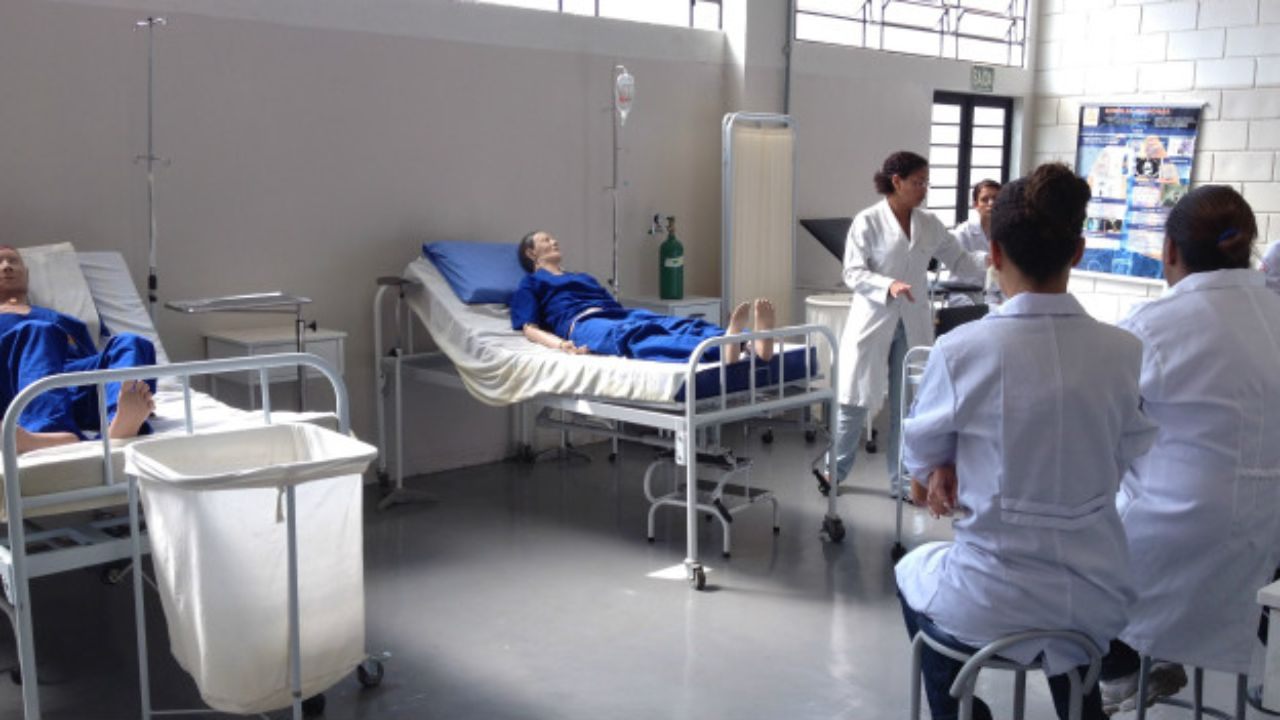
These roles can be competitive, so you need to treat the training as only one part of your job readiness plan. You also need to pay attention to requirements that can vary by institution and by the type of workplace involved.
If you prepare your documents early and keep your records organized, you reduce the risk of losing a spot after selection.
Care Support And Community Service Roles
Depending on local offers, training can support roles like care assistant support, community service support, basic administrative roles in health-related settings, and support functions linked to public service delivery.
Employers in these environments often evaluate communication, reliability, and your ability to follow instructions under supervision.
Your certificate helps you show commitment, but you still need to present a calm, professional attitude during interviews. You improve outcomes when you match your application to the specific environment, such as clinics, service centers, or community programs.
Requirements And Screening In Sensitive Workplaces
Some workplaces require extra checks, specific age rules, or additional documentation depending on the role and the institution. Even when the course itself is free, you still need to confirm enrollment and meet prerequisites, or you can lose your place.
Official guidance for Bolsa Formação operations highlights that enrollments for selected candidates are confirmed with strict observation of required supporting documents.
You should treat document preparation as part of the application, not as an afterthought.
Benefits, Requirements, And The Application Process
This is the part that usually determines whether you actually secure a seat, since many people stop after reading about the program.

Pronatec offers can be published through the Painel de Oportunidades, which is designed to show openings for technical and qualification courses under Bolsa Formação.
The platform helps you identify municipalities, courses, and modalities, so you can focus on what is available near you. Once you find a match, your job is to apply fast, follow instructions, and confirm enrollment correctly.
Bolsa Formação Benefits And What Free Really Means
Bolsa Formação is the action that funds partner institutions to offer courses at no cost to the student.
The Ministry of Education explains that it supports free professional qualification courses with a minimum of 160 hours, and also supports technical courses in different high school-related formats.
For you, the practical benefit is clear: you can gain structured training without upfront tuition, which lowers the barrier to career switching. You still need to manage your schedule and attendance seriously, because completion is what gives you hiring value.
Eligibility And Document Checklist
Eligibility can vary by course type, local demand, and the partner institution running that specific offer, so you must read each notice carefully.
At a minimum, you should expect identity documents and proof that you meet prerequisites like schooling level, plus any additional documents requested locally. The operational guidance for Bolsa Formação highlights that enrollment confirmations depend on meeting prerequisites and presenting the necessary supporting documents.
If you want fewer delays, prepare digital copies, keep originals ready, and verify details before you submit anything.
How To Apply And Follow Up The Right Way
Start by checking the Painel de Oportunidades to see open vacancies, then filter by municipality and course type to find realistic options.
The official FAQ explains that the virtual environment helps users identify offers near where they live and provides access to free courses nationwide.
After you submit interest or pre-enrollment details, you must monitor updates and confirm enrollment when contacted, since missing deadlines can cost you the spot. Treat follow-up like a job application process: track dates, keep documents ready, and respond quickly.
Conclusion
Pronatec can be a real advantage if you choose a track that matches local hiring demand and your personal job goal. Pronatec technical and education job training works best when you treat enrollment, attendance, and completion as your first performance test for employers.
When you finish, translate your training into resume-proof, clear interview examples and consistent applications to entry-level roles.