
DPD jobs in Germany are a major parcel network, and its openings usually split into warehouse roles and delivery roles tied to partner operators.
If you want a steady site-based job, warehouse shifts and sorting work are commonly posted on DPD’s official career pages.
Delivery and warehouse roles you’ll see at DPD Germany
DPD’s job finder shows openings across departments, with logistics roles being a constant category.
The same job filters also indicate different entry levels and contract types, including part-time formats and student-friendly listings.
For delivery work, delivery is carried out by partner transport operators and DPD forwards candidate details to those partners.
For warehouse work, hands-on parcel flow tasks (loading, unloading, and sorting) are core responsibilities.
Employee roles vs partner-operated routes
DPD does not employ its own drivers; self-employed transport operators handle collection and delivery.
That setup means your contract, scheduling rules, and pay structure for delivery can differ by partner.
Warehouse roles are presented as direct logistics work inside hubs/depots, with typical tasks and listed benefits like fixed shifts and training.
Delivery DPD jobs in Germany: requirements and day-to-day reality
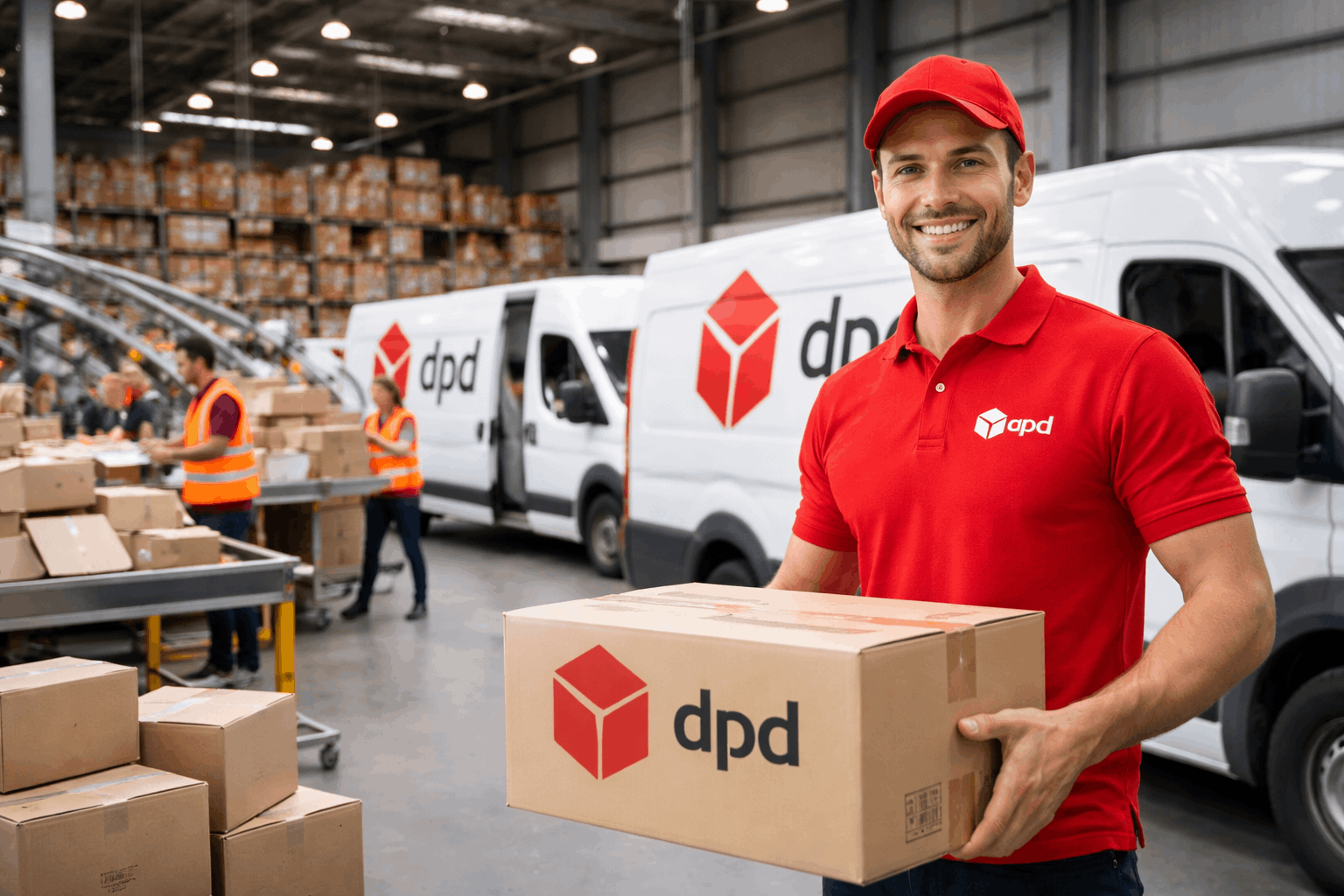
Most delivery roles centre on safe driving, reliable scanning/hand-off routines, and consistent customer contact.
They highlight basic expectations like being service-oriented, enjoying driving, and being physically fit.
You should treat each posting as its own package of route area, shift pattern, and equipment rules because partner operators can vary.
If you want DPD jobs with your own van, you’ll usually be looking at subcontractor pathways rather than a standard employee driver vacancy.
Licences, customer contact, and physical demands
DPD lists a class B driving licence as a minimum requirement and frames the job as customer-facing and active.
If you are aiming for “own-vehicle” work, DPD’s partner pages describe expectations like operating as an independent company.
Because this path is closer to running a small transport business, you should compare the risk and costs against the flexibility you want.
Warehouse positions: shifts, tasks, and entry routes
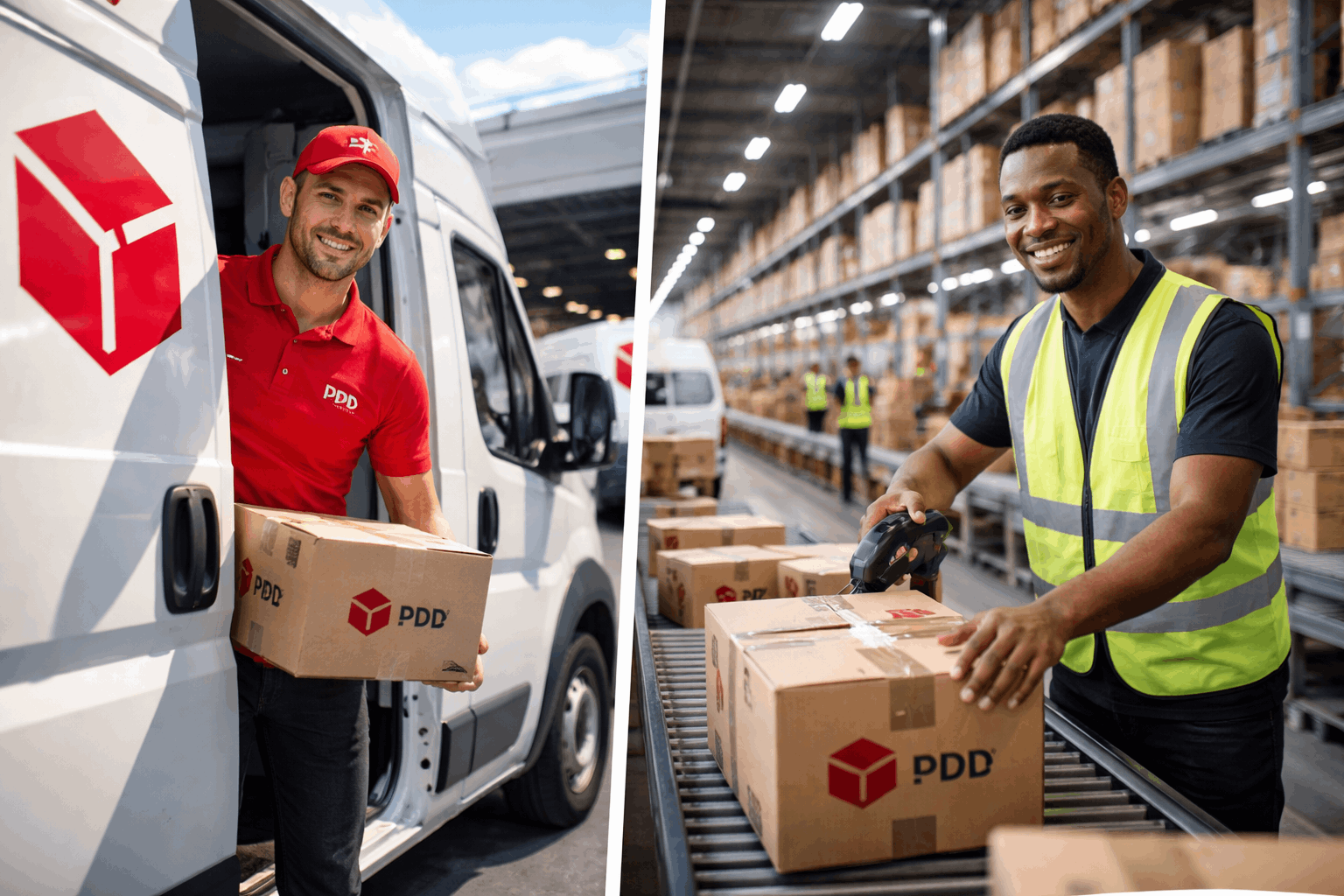
Warehouse roles usually focus on parcel flow: keeping packages moving safely and correctly through the facility.
Typical work includes loading/unloading parcels, handling special shipments, resolving jams, and completing missing parcel information.
DPD also advertises operational upsides like planned/fixed shifts and regular training for logistics staff.
If you prefer predictable routines over route variability, warehouse roles are often the clearer starting point on official listings.
What DPD lists for warehouse work
Core tasks like loading/unloading, sorting special items, clearing parcel “stalls,” and capturing missing information.
Benefits for warehouse staff, such as fair pay plus holiday and Christmas bonus, provided workwear, fixed shifts, and regular training.
Your biggest variables are shift times, commute distance, and whether the posting is full-time, part-time, or Minijob.
DPD jobs for students: part-time, Minijob, and study-friendly scheduling
DPD’s job portal includes filters for students and contract types like Minijob, Teilzeit, and Praktikum, which is useful for narrowing student-fit roles.
Student schedules often match evening or early shifts in logistics, especially when parcel volumes peak.
International students need to balance job hours with residence rules, which can be stricter than what employers assume.
For DPD jobs for students, start by filtering official postings, then verify the weekly hours and contract type before you accept anything.
DPD salaries: how to estimate pay without guessing
DPD does not publish one universal pay table on every role page, so you need a careful method to avoid made-up numbers.
Kununu’s role-specific page for Paketzusteller:in at DPD Deutschland reports an average of around €29,000 gross per year (self-reported).
DPD jobs with sponsorship: what’s realistic in Germany
In Germany, “sponsorship” usually means an employer supports a work-residence process, but the visa type depends on your nationality and role level.
Make it in Germany notes that whether a visa is required depends on the worker’s country of origin.
For non-EU nationals, work visas for qualified professionals require a specific job offer and typically a qualified position.
Sponsorships are more plausible in skilled areas (for example, IT, engineering, or management roles listed on official portals).
Finding DPD jobs in Germany and applying the right way
The safest place to start a DPD post-job search is DPD’s own job finder, because it shows entry-level and contract-type filters in one place.
For delivery driving, they also offer an “apply now” form designed to forward your details to system partners rather than hiring you directly.
For warehouse roles, read the role page carefully so you can mirror the listed tasks and shift expectations in your application.
For “own-vehicle” pathways, use DPD’s partner pages to understand whether you are applying as an individual driver or entering as a business operator.
Where to apply: official postings first, aggregators second
DPD’s official job portal lets you filter by student status and contract type, which helps you avoid irrelevant listings and focus on realistic options fast.
DPD’s delivery-driver page explains the partner model clearly, so you can set expectations about who your employer will be.
After that, you can cross-check with major job boards to spot partner vacancies, but you should always confirm details against the official pages.
Application process
Open the job in the DPD Jobfinder and click “Jetzt bewerben / Apply” (this takes you to the application portal).
You have an option to fill out the online application form.
- Personal Data: enter your basic details (name, contact, address, etc.).
- Job Expectation: add availability, desired working hours/contract type, start date, and similar job-related preferences (the exact labels can vary by role).
- Documents: CV, Letter, Certifications and photo.
A faster route lets you upload your CV first, and the system automatically fills in the form as much as possible from it.
Conclusion
DPD jobs in Germany are usually split into warehouse roles listed on career pages and delivery roles commonly operated by system partners.
If you are comparing offers, anchor your pay expectations to Germany’s legal minimum wage and then use multiple data sources to estimate salaries.
For students, use official filters and confirm your work-hour limits if you are an international student.